



Discover Brand Kits: Exclaimer's new method for governing your brand across the digital communications that matter most.Find out more

The State of Business Email 2025: Infrastructure, risk and IT’s next opportunity

Explore insights from 4,000+ IT leaders on why email remains essential in 2025. Discover where risks lie, what’s draining IT capacity, and how to modernize email infrastructure with AI and automation.

Share this whitepaper

In 2025, email is still the system of record for business communication. It’s where legal notices live, client conversations happen, and leaders share decisions. Teams may collaborate in real time elsewhere, but when the message matters, it’s still sent by email.

This year’s State of Business Email report draws on insights from 4,009 IT leaders across the UK, US, Germany, and Australia. It shows a consistent theme. IT teams are expected to secure, automate, and modernize one of the most visible parts of the digital stack, often without clear ownership, the right tools, or enough support to do it well.

The report dives into five key areas

  • Why email still carries the highest level of trust for business-critical communication

  • Where security, compliance, and governance controls are breaking down

  • How manual work, from spam handling to signature updates, is draining IT time

  • Why poor integration is slowing teams down, and what that costs at scale

  • What AI, automation, and changing expectations mean for how email is managed next 

Download the report to see where email stands today, how it’s changing, and what IT teams can do to reduce risk, regain control, and free up capacity.

Download the report
Key insights

Email still dominates communication


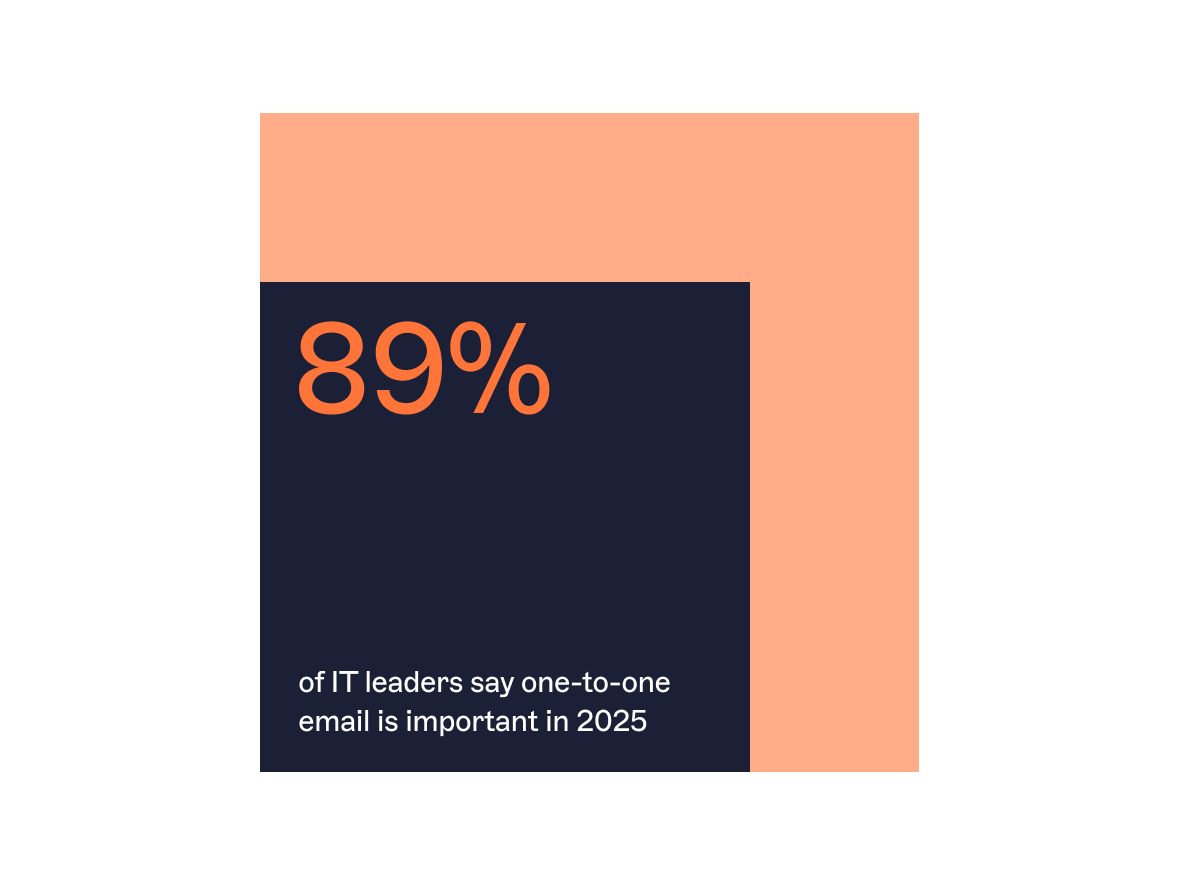
  • 89% of IT leaders rank one-to-one email as "important", slightly ahead of collaboration tools (86%), and on par with instant messaging (IM) and video conferencing platforms.

  • Email remains the go-to for client communication, internal updates, and IT and security alerts, where reliability and auditability matter most. 

Security gaps are widening


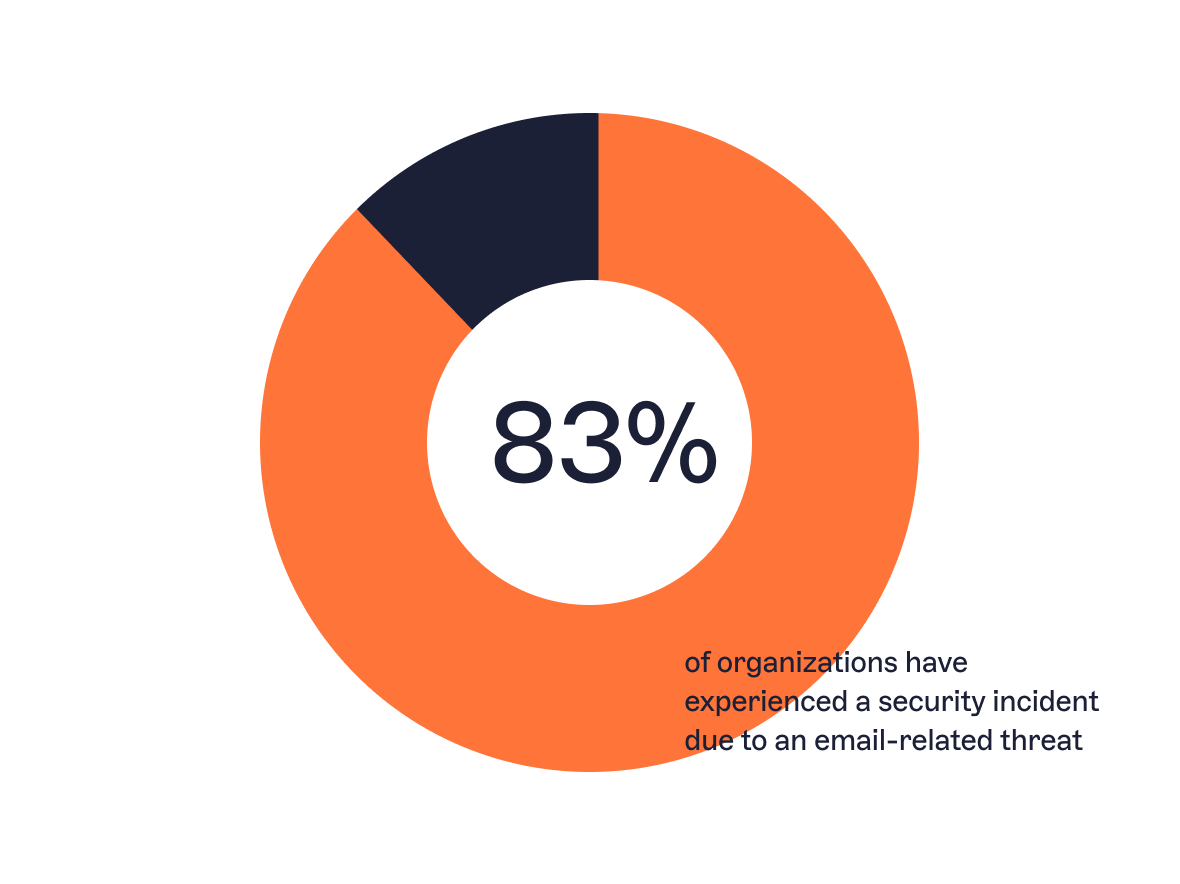
  • 83% of organizations reported email-related security incidents, with 48% experiencing them in the past year.

  • Phishing and spoofing top the list of concerns; yet fewer than one-third have implemented DMARC, DKIM, or SPF—leaving a critical protection gap.

  • Only 47% feel "very confident" in their compliance posture.

Time is being spent in the wrong places


  • 37% of IT leaders say reducing spam and unwanted emails takes up a disproportionate amount of their time.

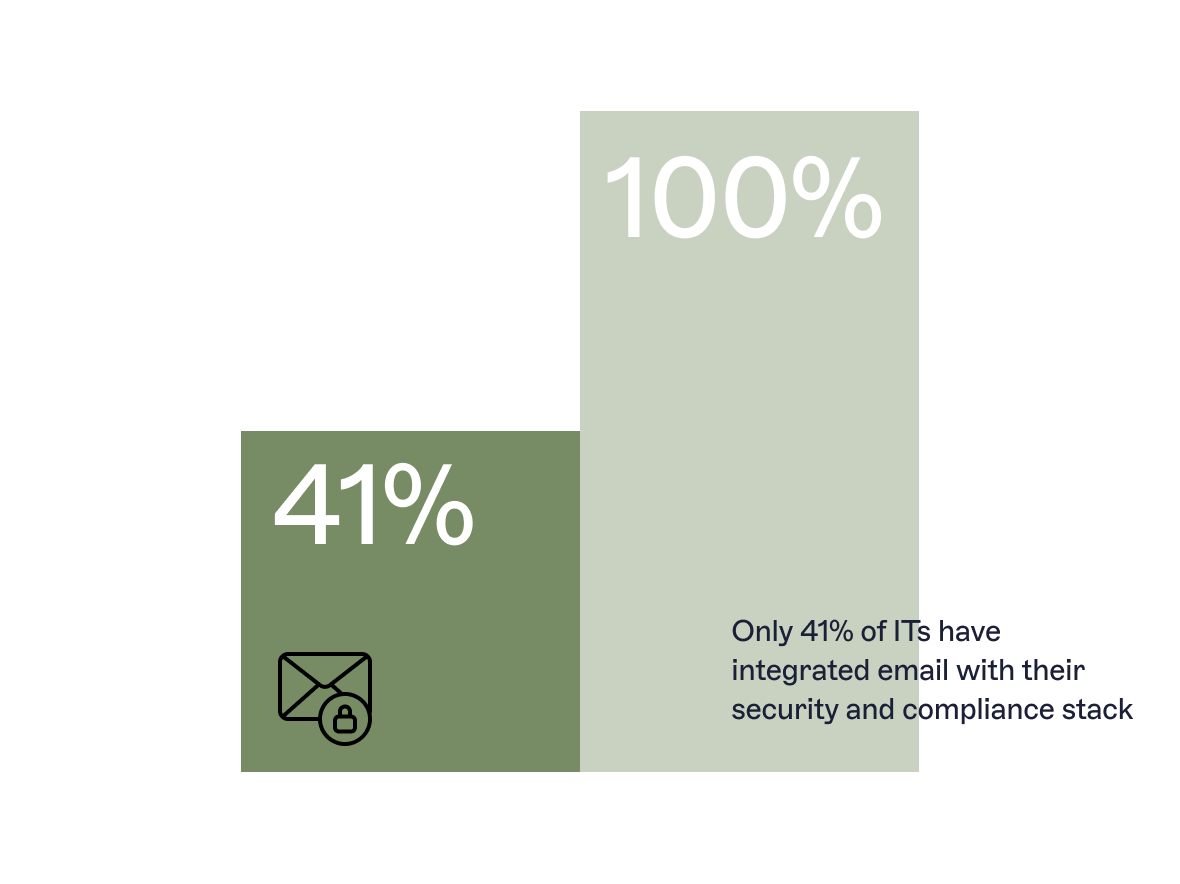
  • Only 41% have integrated email with their security and compliance stack—despite the operational load it represents.

  • 35% of IT teams say email signature management is one of their top two most time-consuming tasks.

Professionalism and compliance are on the line


  • 92% of leaders agree that consistent, well-managed email signatures build trust and professionalism.

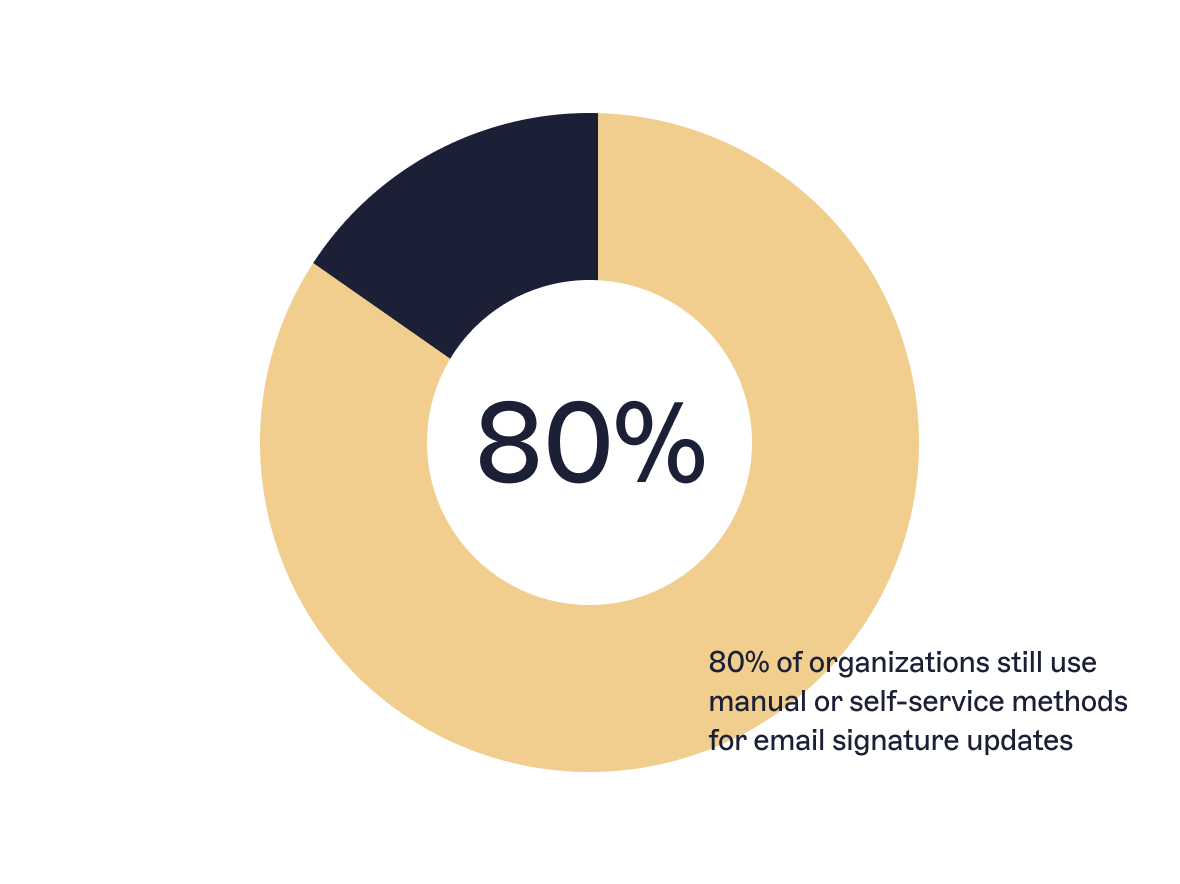
  • Despite this, 80% still rely on manual methods or user self-service—undermining consistency, compliance, and control. 

AI and automation as baseline is now expected


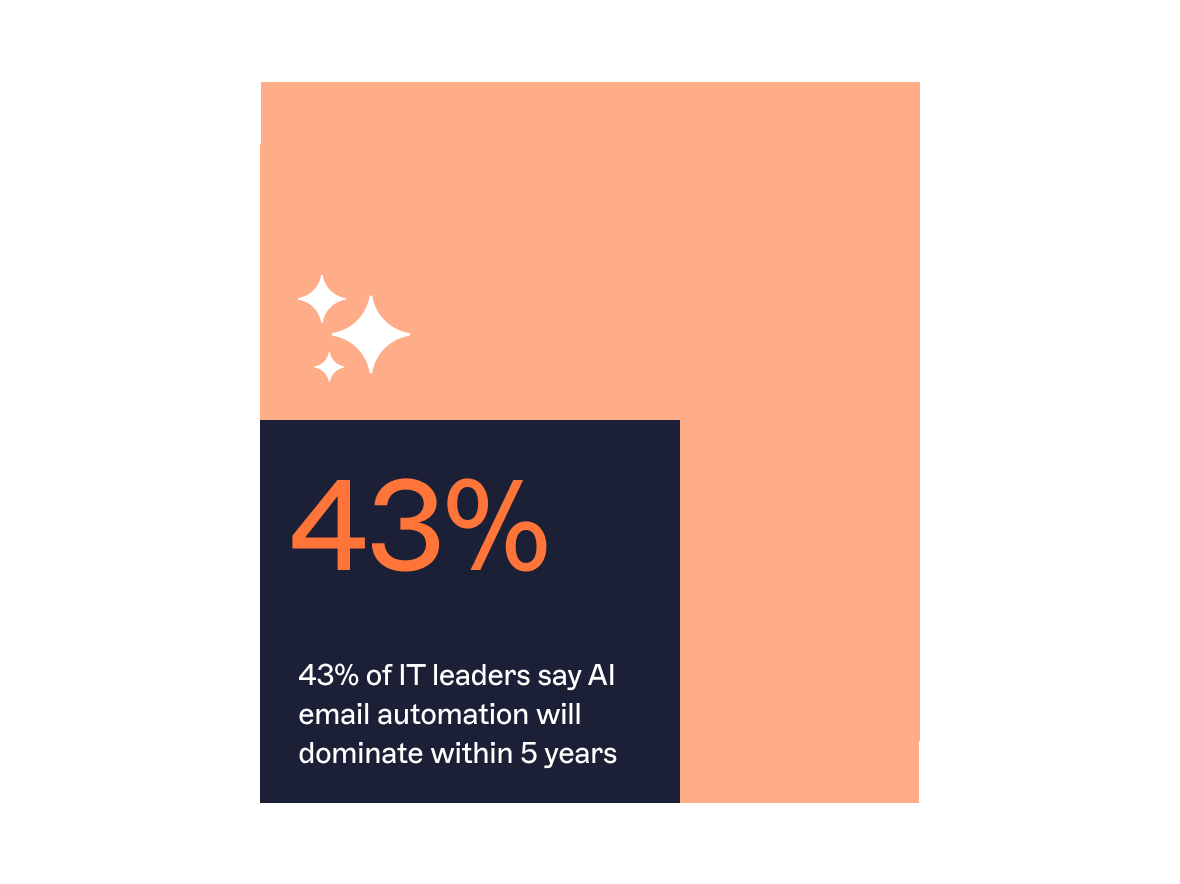
  • 43% of leaders expect AI-driven email automation to dominate in the next 5 years.

  • Their top priorities: stronger security (41%), advanced spam and phishing protection (38%), more automation (38%), easier management (37%), and better integrations (36%)—signaling a shift toward smarter, more scalable email ecosystems. 

“Security and compliance pressures don’t stop at the inbox—but email remains one of the most targeted, exposed, and under-managed parts of the stack. The insight here should inform how IT leaders prioritize the next wave of controls.”

— Karl Bagci, Head of Information Security, Exclaimer 

Built for every business

Want to learn more about Exclaimer?