


The top marketing trends to watch in 2026
12 December 2025
0 min read
Customer expectations are sharper, and tolerance for unclear communication is low. Buyers want control. AI is now part of everyday workflows. Trust carries more weight than claims. These shifts are converging, raising the stakes for how brands communicate.
Across the organizations Exclaimer supports, one pattern stands out. Companies preparing well for 2026 are tightening communication standards. They give customers choices without adding friction, set clear guardrails for AI, and keep identity consistent across channels. These decisions build confidence early in the buying process, long before anyone speaks to sales.
The trends below show how marketing will change in 2026 and where brands will need clarity, evidence, and consistency to stay credible.
1. Customers will shape their own buying journeys
Buyers will keep driving their own purchase paths in 2026. Many now reach late-stage decisions with minimal contact from sales reps. Forrester’s latest predictions show that 30 percent of buyers used generative AI tools at the final stage of their decision, compared with 17 percent who relied on product experts. Buyers want to self-serve until they choose otherwise.
Every path—self-serve, guided support, trial, or demo—needs to be simple and complete. Trials should include clear steps, sample data, and straightforward success criteria. Security information, integration details, and pricing should be easy to find. Procurement teams need shareable documentation so internal approvals don’t slow progress.
AI tools help buyers move faster early on, but when stakes rise, people still want to be able to speak to an expert. Forcing a conversation too soon adds friction. Holding back support when it matters does the same.
When the buying journey feels intuitive and predictable, advocacy grows. A buying experience with fewer hand-offs, fewer risks, and fewer blockers is one people share with others. In the end, peer recommendations are still one of the strongest drivers of decisions, and a smooth process strengthens them.
2. Trust will be the deciding factor from the first click
Trust is now the first filter buyers use when evaluating a brand. Security, clarity, and consistency shape early impressions more than bold claims. And the pressure is increasing. Research from Marketreach shows that 74 percent of consumers will spend more with brands they trust.
Buyers expect visible reassurance from the start. Certifications, policies, data handling practices, and incident response standards should be easy to find and easy to verify. Automated tools can help with basic questions, but when they fail to resolve an issue, trust drops. Clear escalation paths still matter.
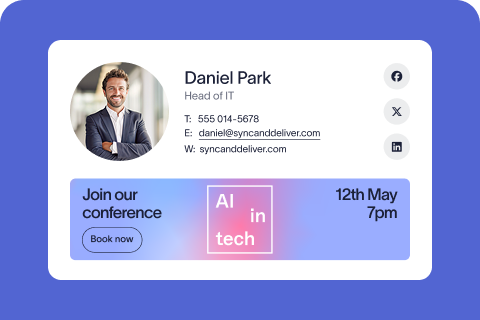
Small signals have outsized impact. Inconsistent emails, mismatched signatures, and conflicting documents make an organization look disorganized. These gaps also create openings for phishing and unnecessary support tickets.
Clear standards help close these gaps. When “good” is defined and applied across email, chat, and AI-assisted workflows, people communicate with confidence and without added risk. Structured beta programs give teams space to test changes, learn quickly, and strengthen controls before wider rollout.
Trust grows through evidence and consistency. When organizations get the fundamentals right at every touchpoint, buyers feel more confident moving forward.
3. AI maturity will be judged by outcomes, not claims
AI will be evaluated by results in 2026, not by how often it’s discussed. Teams will shift from broad experimentation to structured workflows with clear guardrails. McKinsey’s latest State of AI survey shows this trend accelerating: 88 percent of organizations now use AI regularly in at least one business function, up from 78 percent last year.
As AI becomes more common, expectations will rise around transparency and limits. High-judgment work still needs human review, especially in direct communication where tone and clarity matter. Audiences easily spot generic, automated content, and trust drops when something feels inauthentic.
AI should improve efficiency, not replace a brand’s voice. It can shape ideas, surface insights, and streamline internal tasks. But company communications, especially business email, needs a consistent human tone, clear identity, and calls to action that make sense. Treating email as a channel instead of a background utility helps maintain that clarity.
Organizations that use AI with discipline will stand out. They’ll be able to protect their voice, keep personal outreach genuinely personal, and rely on AI only where it adds real value.
4. Compliance will shift from a blocker to an enabler
Compliance is becoming a strategic advantage. PwC’s Global Compliance Survey 2025 reports that 85 percent of executives say compliance requirements have become more complex over the last three years. That pressure is driving organizations to favor clarity, predictable standards, and evidence they can share easily.
Teams in 2026 will move toward simple checks that are quick to follow and simple to document. Clear prompts, in-line notices, and checklists create audit trails anyone can understand. Guardrails that educate as well as control help people make the right call before anything is sent or published. Risk then becomes a shared responsibility across Marketing, IT, Security, and Legal rather than something that slows work.
Smaller cross-functional groups will also own the standards and playbooks. They’ll set rules for identity, messaging, and escalation paths, and move fast when issues appear across email, chat, and collaboration tools. Strong beta programs will support this shift. Testing with defined cohorts helps teams confirm decisions, prove outcomes, and refine controls before scaling changes.
When compliance reinforces trust instead of slowing creativity, it becomes an engine for speed. Brands communicate more consistently, reduce rework, and make fewer mistakes. And email plays a central role. Consistent identity, legal disclaimers, and messaging help organizations meet standards without adding strain for IT or any other team.
Why communication standards will set the leaders apart in 2026
The shifts that’ll shape 2026 point to a clear trend. Brands that communicate with clarity and consistency will earn trust faster and move with more confidence. Buyers will choose their own paths. AI will be judged by outcomes, not claims. Compliance will become a shared engine for speed. And small breaks in identity will carry more weight as expectations rise.
Email will play a pivotal role in all these moments. People still rely on it for clarity, confirmation, and decisions that matter. Everyday touchpoints influence trust long before a conversation with sales. When organizations keep email consistent, they strengthen the confidence buyers need before moving forward.
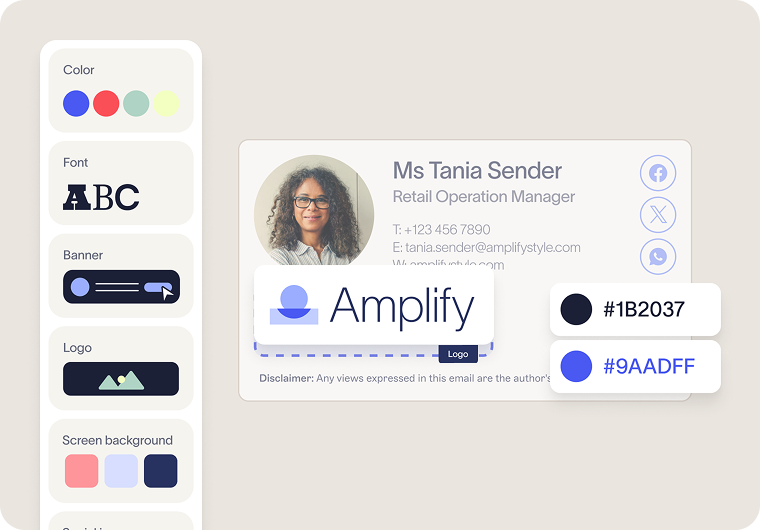
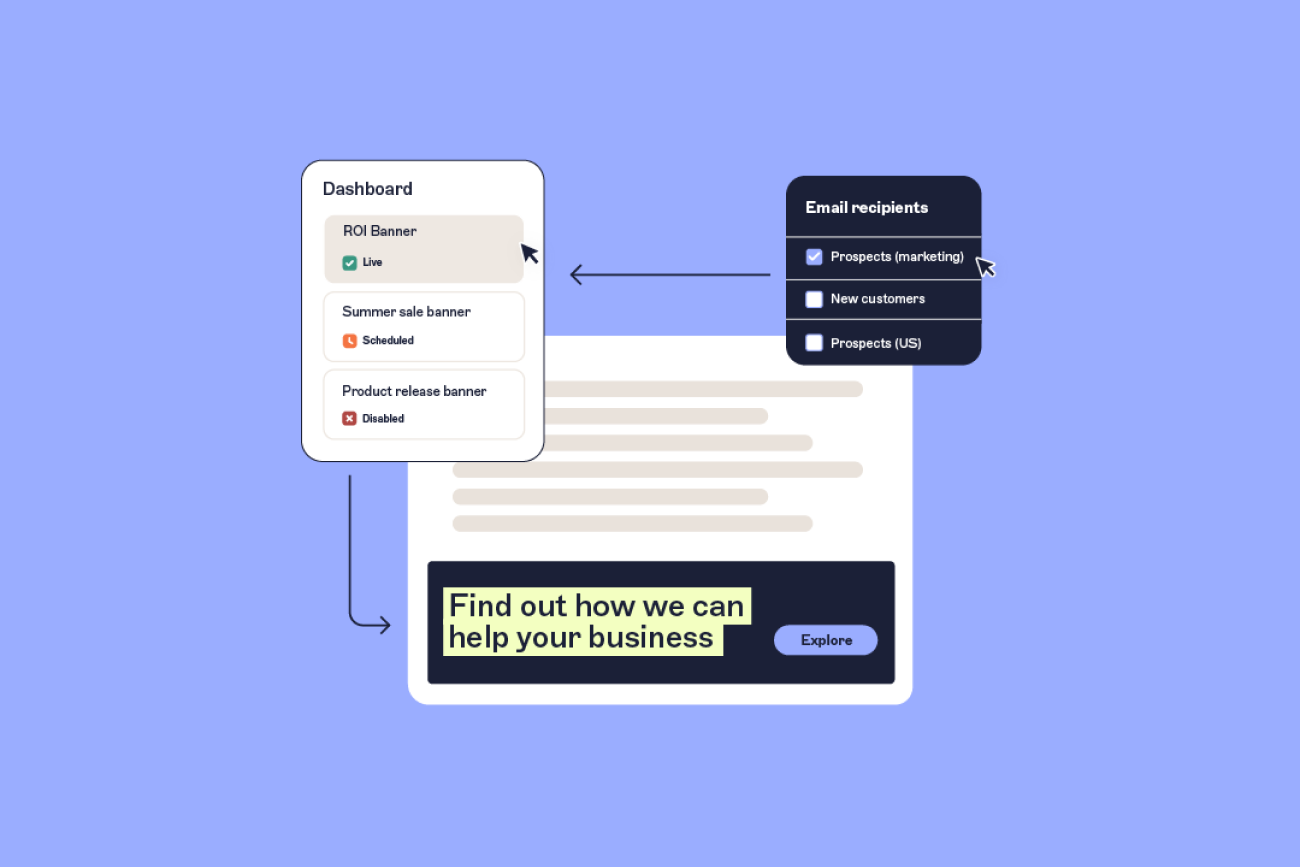
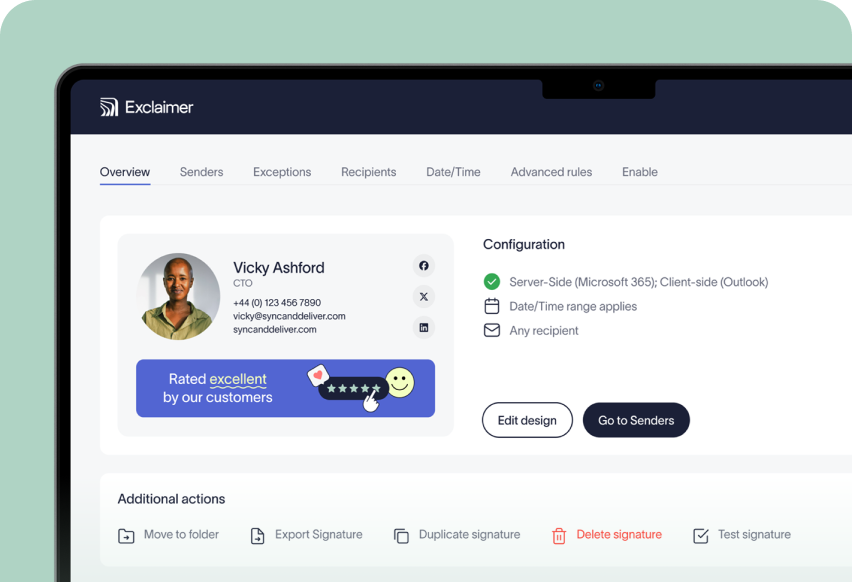
Exclaimer makes this consistency simple. It gives organizations a straightforward way to standardize email identity across every user and device. It removes guesswork, closes gaps, and helps teams present a unified, trustworthy brand at every stage of the customer journey.
See how Exclaimer helps organizations standardize identity across every email. Request a personalized demo today.