



How SaaS vendors stay ahead of compliance standards
9 January 2026
0 min read
When regulations shift, in-house tools fall behind. That’s the reality for most IT teams tasked with managing compliance across systems they were never designed to support long-term.
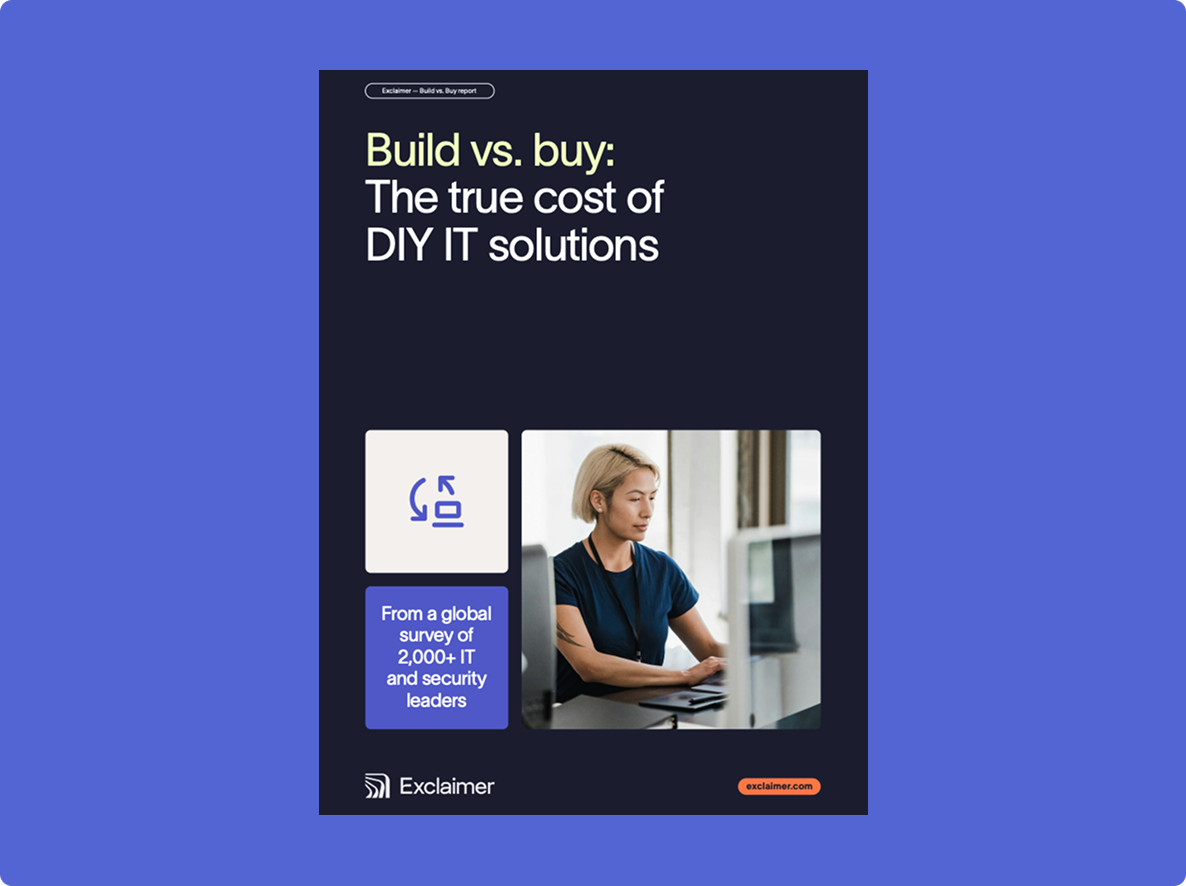
Our latest report, Build vs. Buy: The true cost of DIY IT solutions, surveyed over 2,000 IT and security professionals. It confirmed what many already know: staying compliant is a full-time job, and vendor platforms are increasingly the safer bet.
Why compliance is an arms race
The compliance landscape is constantly changing. From GDPR and HIPAA to ISO 27001 and SOC 2, regulatory frameworks update frequently. Most in-house tools aren’t built with adaptability in mind, and they struggle to keep up.
IT leaders are aware of this challenge:
31% say compliance is their top reason for avoiding internal builds.
71% of CTOs now see vendor platforms as the more secure, compliant option.
When internal systems can’t keep pace, the risk compounds. Audit prep turns into a fire drill. Documentation gets outdated. And what used to feel like control starts to feel like exposure.
Every time a regulation shifts, your internal tools fall one step further behind. That technical debt becomes security debt—and can lead to fines and reputational harm.
The compliance burden of in-house tools
Building a tool means owning everything that comes with it. That includes security, incident response, audit readiness, and patch management.
When organizations fall behind on these responsibilities, the impact is real. 64% of IT leaders report downtime or disruption linked to missed patches or compliance failures.
Teams that have built internal tools must track regulatory changes, document internal controls, manage updates, and respond to incidents. These hidden costs of building in-house create a long-term drain on time and resources.
Staying compliant isn’t about checking boxes. It takes continuous investment—and most in-house solutions weren’t built with that in mind.
How SaaS vendors maintain continuous compliance
Best-in-class SaaS vendors don’t treat compliance as a phase. It’s a daily practice.
Instead of retrofitting security and compliance features, vendors bake them into the foundation of their tools. They employ compliance experts to track regulatory changes, interpret requirements, and translate them into real-world safeguards. Vendors also routinely undergo third-party audits to maintain security certifications and continuously patch and improve their environments.
These processes are expensive, and not something most companies can easily replicate for internal tools. Vendors can amortize their costs across thousands of customers, giving each organization enterprise-grade controls without building the same thing 50 different ways.
Shared responsibility vs. shared risk
With SaaS, you keep oversight but shift the burden. Vendors maintain the operational standards. You retain control over configuration, access, and policy enforcement.
For busy organizations, that means:
Less time chasing changes
Fewer gaps to explain in audits
Stronger posture without the manual upkeep
This shared responsibility model gives IT teams breathing room. Instead of reacting to changes and constantly updating tools, they can focus on strategic work that moves the business forward.
It’s also easier to demonstrate compliance to stakeholders. Vendor documentation, certifications, and third-party reports reduce the internal burden of proof.
This shift in responsibility is why more IT teams are moving away from DIY. The model’s broken. It forces internal teams to absorb too much risk without the resources to mitigate it.
The value of vendor expertise
Some capabilities are just hard to replicate in-house. That’s why 29% of IT leaders cite expert support as a key reason to buy.
Specialist vendors develop a deep understanding of problems that most internal teams only encounter occasionally. They also continuously adapt to platform and regulatory changes, ensuring their solutions remain compliant, integrated, and secure.
By choosing a vendor solution, companies can expect:
Faster resolution of compliance-related issues
Purpose-built features for audit readiness and data governance
Professional, polished documentation to help implement the solution effectively
At Exclaimer, we help organizations meet global email compliance requirements through:
Smart policy enforcement
Data residency alignment
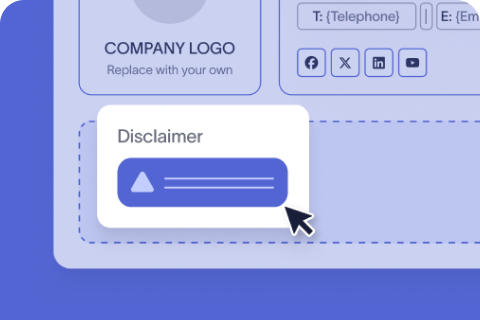
Built-in disclaimers and legal footers
Full logging and audit trails
We invest in global certifications, real-time platform updates, and secure system architecture—so our customers don’t have to.
Learn more about how we support compliance.
Achieve compliance and confidence with SaaS solutions
In-house tools make compliance harder to prove and even harder to maintain. When every regulatory change triggers a manual fix or a patch cycle, IT teams are stuck firefighting instead of innovating.
Vendor solutions change that. By building compliance into the foundation—via certifications, audit trails, and automated controls—vendors reduce both legal exposure and reputational risk.
And with less time spent maintaining fragmented tools, IT can refocus on strategic work: driving transformation, optimizing infrastructure, and supporting growth.